
Digital EHR Digest
Welcome to the “EHR Digest,” your premier destination for all things related to Electronic Health Records in the chiropractic field. Here, we delve into the dynamic world of EHR technology, exploring how it’s reshaping the landscape of chiropractic care. Our blog serves as a treasure trove of information, offering insights, tips, and the latest trends that help chiropractors and healthcare professionals navigate the digital transformation of their practices. Whether you’re a seasoned EHR user or just beginning your journey, the “EHR Digest” is your go-to source for valuable content that empowers and informs.

Specialized EHR Systems: Key to Optimizing Chiropractic Clinic Operations
Discover how specialized EHR systems like Chiro Quick-Charts optimize chiropractic clinic operations, improve patient retention, and enhance revenue. Learn practical strategies today!

Influence of Initial Provider Choice on Recovery Time from Workplace Back Injuries
Learn how the initial choice of healthcare provider affects recovery from workplace back injuries and how chiropractic practices can optimize care with effective documentation.

Boost Your Chiropractic Practice Efficiency with Specialized EHR Solutions
Discover how specialized EHR solutions can enhance chiropractic practice efficiency, improve patient retention, and boost revenue growth. Learn actionable strategies for immediate impact.

Maximizing Efficiency: Transforming Chiropractic Practice Management with Specialized EHR Solutions
Discover how specialized EHR solutions can transform chiropractic practice management, boosting clinic efficiency, patient retention, and revenue growth. Explore practical strategies today!

Reducing Documentation Errors in Healthcare with Focused Education
Focused education reduces documentation errors in healthcare by enhancing skills in chiropractic documentation requirements. Discover how Chiro Quick Charts can improve your practice’s efficiency.

Enhancing Chiropractic Clinic Efficiency with EHR Systems
Discover how EHR systems enhance chiropractic clinic efficiency, improve patient care, and boost revenue. Learn practical strategies to streamline operations and grow your practice.

Enhancing Patient Care: The Role of Streamlined Digital Workflows in Chiropractic Clinics
Streamlined digital workflows enhance chiropractic clinic operations, improving patient care and retention while boosting revenue. Discover strategies for practice growth and efficiency.

Enhancing Access to Chiropractic Care with Streamlined Practice Management
Explore collaborative efforts to enhance chiropractic care access and streamline practice management with advanced EHR software solutions tailored for chiropractic clinics.

Defining Team Roles in a Chiropractic Clinic for Better Efficiency
Learn how clearly defined team roles improve workflow, patient experience, and operational efficiency in chiropractic practices.

Enhancing Efficiency: The Impact of Specialized Software on Chiropractic Practice Management
Enhancing Efficiency: The Impact of Specialized Software on Chiropractic Practice Management In today's fast-paced healthcare environment, chiropractic practices face mounting pressures to streamline operations while maintaining high-quality patient care. The adoption...

How Chiropractic Clinics Can Reduce Patient No‑Shows
Learn practical strategies chiropractic clinics can use to reduce missed appointments and improve scheduling efficiency.

How Chiropractors Can Communicate Care Plans More Effectively
Learn strategies chiropractors can use to explain care plans clearly so patients understand treatment goals and remain committed.

How Front Desk Efficiency Impacts Chiropractic Clinic Success
Discover how improving front desk operations can strengthen patient experience, scheduling accuracy, and clinic efficiency.

Building an Effective New Patient Intake Process for Chiropractic Clinics
Learn how to create a structured new patient intake process that improves efficiency, documentation accuracy, and patient confidence.

The Most Important Metrics Every Chiropractic Practice Should Track
Discover the key performance metrics chiropractors should track to improve patient care, efficiency, and practice profitability.

How to Increase Patient Retention in Chiropractic Clinics
Learn proven strategies chiropractors can use to improve patient retention, increase care plan completion, and strengthen long‑term clinic growth.

How Chiropractors Can Communicate Care Plans More Effectively
One of the most common reasons patients discontinue chiropractic care early is confusion about the treatment plan. Even when the care itself is effective, patients who do...

The Patient Visit Workflow Every Chiropractic Clinic Should Follow
Discover the ideal chiropractic patient visit workflow that improves efficiency, patient experience, and clinical consistency.

Why Chiropractic Documentation Fails -and How to Fix It
Learn the most common chiropractic documentation mistakes and how to correct them to improve compliance, reimbursement, and patient care.

From Chaos to Control: Organizing Patient Records the Right Way
Learn how to organize chiropractic patient records to improve compliance, efficiency, and long-term practice stability.

Training Staff to Support Documentation and Workflow Accuracy
Learn how effective staff training improves documentation accuracy, workflow efficiency, and practice stability.

Smarter Scheduling Strategies for Busy Chiropractic Clinics
Learn how smarter scheduling improves efficiency, reduces stress, and increases profitability in chiropractic practices.

Where Chiropractic Practices Lose Money – and How to Stop It
Uncover sources of chiropractic revenue loss and learn practical strategies to protect and improve profitability.

How Organized Documentation Improves Patient Outcomes and Retention
Learn how organized chiropractic documentation improves patient outcomes, retention, and long-term practice stability.

Creating Repeatable Office Systems That Prevent Burnout
Reduce chiropractor burnout by building repeatable office systems that support efficiency, consistency, and team accountability.

The First 90 Days of a New Chiropractic Clinic: What to Get Right Early
Learn what chiropractors must get right in the first 90 days to build a stable, profitable, and well-organized clinic.

Setting Up Your Chiropractic Practice for a Strong Start in 2026
Start 2026 with clarity and confidence. Learn how to set up systems, workflows, and documentation that support long-term chiropractic success.

Planning for Growth: Setting Your Chiropractic Practice Goals for 2026
Learn how to set strategic, measurable goals for your chiropractic practice to drive growth and improve patient care in 2026.

Building a Chiropractic Business That Runs Without You
Learn how to streamline and automate chiropractic operations so your clinic runs smoothly – even when you’re not there.

Mastering the Patient Re-Exam: Documentation That Drives Better Care
Learn how to document patient re-exams effectively to improve outcomes, support care plans, and strengthen chiropractic compliance.

How to Train Your Team for EHR Efficiency and Consistency
Improve chiropractic workflow and accuracy with structured EHR training that boosts staff confidence and practice efficiency.

Preparing for Year-End Compliance: What Chiropractors Need to Know
Get your chiropractic clinic audit-ready with this year-end compliance checklist for documentation, billing, and reporting.

Boosting Profit Margins with Smarter Scheduling and Documentation
Learn how to improve your chiropractic clinic’s profit margins through efficient scheduling, consistent documentation, and better workflow management.

From Paper to Profit: Modernizing Office Management Without Losing Personal Touch
Learn how to modernize chiropractic office management to increase efficiency and profitability while maintaining personalized patient care.

How to Create a Patient-Centered Chiropractic Experience
Build stronger relationships and improve outcomes with a patient-centered approach in your chiropractic practice.

Avoiding Common Billing Mistakes in Chiropractic Practices
Learn how to prevent common chiropractic billing mistakes, reduce claim denials, and protect your clinic’s revenue with efficient billing workflows.

Streamlining Front Desk Operations: A Chiropractor’s Secret to Patient Retention
Discover how to streamline front desk operations in your chiropractic clinic to boost efficiency, improve patient experience, and increase retention.

Essential Documentation Standards Every Chiropractor Should Master
Learn the key chiropractic documentation standards for accurate SOAP notes, compliance, and patient care improvement.

The Ultimate Startup Guide for New Chiropractic Clinics
Discover how to open a profitable chiropractic clinic with our step-by-step startup guide—from licensing and staffing to patient flow and documentation.

Chiropractic EHR Software vs. Generic EHR Software: Why Specialty Matters
Discover why chiropractic EHR software outperforms generic EHR solutions. Learn how tailored features improve workflows, billing, and patient care.

The Real ROI: How Much Money Can EHR Software Save Your Practice?
Learn how chiropractic EHR software reduces costs, boosts efficiency, and increases revenue, delivering a strong return on investment for your clinic.

How Chiropractic EHR Software Boosts Staff Efficiency
Discover how chiropractic EHR software reduces admin tasks, simplifies scheduling, and improves staff workflow for a more efficient clinic.

Why DBC’s EHR Software Is the Future of Chiropractic Care
Discover how DB Consultant’s chiropractic EHR software improves flexibility, security, and patient care while streamlining your clinic’s workflow.

Improving Billing Accuracy with Chiropractic EHR Software
Struggling with denied claims or delayed payments? Learn how chiropractic EHR software like Chiro Quick Charts improves billing accuracy and cash flow.

How Scheduling Integrations Streamline Chiropractic Practice Management
Discover how integrated scheduling tools can boost efficiency, reduce no-shows, and improve patient flow in chiropractic practices.
5 Hidden Costs of Not Using EHR Software in Your Chiropractic Practice
Many chiropractic clinics put off switching to EHR software because of the upfront investment. But sticking with outdated systems or paper records comes with its own set of hidden costs.

How to Choose the Right Chiropractic EHR Software for Your Clinic
Selecting the right EHR software for your chiropractic clinic doesn’t have to be overwhelming. With so many options available, it’s important to focus on what matters most: features that improve your workflow, help retain patients, and keep your clinic compliant.

Paper Files vs. EHR: Which Is Really Better for Chiropractors?
Many chiropractic clinics are still using paper files, but that may be costing them more than they realize. In contrast, Electronic Health Record (EHR) software is designed to streamline patient care, reduce errors, and improve compliance.

A Beginner’s Guide to Chiropractic Practice Software
If you’re a chiropractor still using paper records or juggling multiple software tools, you’re not alone. Many practices are just beginning the transition to an all-in-one digital system.

How EHR Software Improves Patient Experience in Chiropractic Clinics
Patient experience plays a huge role in the success of chiropractic clinics. When visits are smooth, communication is clear, and billing is simple, patients are more likely to return and recommend your services.

Top 10 Must-Have Features in Chiropractic EHR Software
Explore the top features U.S. chiropractic clinics should look for in EHR software to boost efficiency, compliance, and patient satisfaction.

Why Chiropractic Practices Are Switching to EHR Software in 2025
Chiropractic clinics across the U.S. are making the switch to Electronic Health Records (EHR) software – and for good reason. With increasing demands for efficiency, compliance, and patient satisfaction, going digital isn’t just an option – it’s a necessity.

Customizing Online Forms for Different Patient Needs
Customize digital forms in Chiro Quick Charts to match your chiropractic clinic’s unique documentation needs.

Ensuring Compliance with Electronic Signatures
Ensure secure, compliant patient consent with digital signatures through Chiro Quick Charts’ online forms.

Streamlining Patient Intake with Digital Forms
Simplify patient onboarding with Chiro Quick Charts’ secure, customizable digital intake forms.

Automating Appointment Reminders: A Step-by-Step Guide
Automate patient reminders with Chiro Quick Charts to reduce no-shows and improve clinic operations.

Best Practices for Secure Patient Communication via Text
Follow these best practices for secure and HIPAA-compliant patient texting using Chiro Quick Charts.

The Role of SMS in Modern Patient Engagement
Boost patient satisfaction and communication with Chiro Quick Charts’ HIPAA-compliant bidirectional SMS system.

Integrating Online Appointments with Practice Management Systems
Integrate online scheduling with practice tools using Chiro Quick Charts to streamline your chiropractic operations.

Reducing No-Shows Through Automated Reminders
Cut down no-shows and missed appointments with automated reminders from Chiro Quick Charts EHR.

Enhancing Patient Experience with Online Scheduling
Enhance patient experience and clinic efficiency with Chiro Quick Charts’ powerful online scheduling tools.

EHR Systems in Chiropractic: Past, Present, and Future
Discover how chiropractic EHR systems evolved to improve care quality, efficiency, and compliance over time.

Chiropractic Software: Essential for Modern Practice Management
In today's fast-paced healthcare environment, efficiency and precision are crucial for maintaining a successful chiropractic practice. Chiropractic software has become an indispensable tool for modern practice management, streamlining operations, enhancing patient...
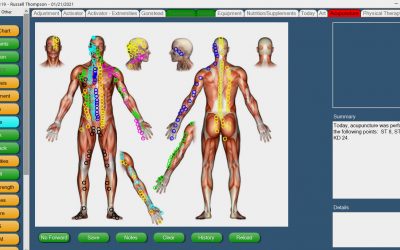
Why Chiro Quick Charts is the Best Chiropractic Software for Your Practice
Choosing the right chiropractic software is crucial for the success of your practice. With numerous options available, finding the best solution can be overwhelming. Chiro Quick Charts stands out as the best chiropractic software for your practice, offering a...

The Evolution of Chiropractic Software: From Paper to Digital
The healthcare industry has undergone a significant transformation over the past few decades, and chiropractic practices are no exception. The evolution from paper-based records to sophisticated chiropractic software has revolutionized how chiropractors manage their...

How Chiropractic Software Can Streamline Your Practice
In the fast-paced world of healthcare, efficiency and patient care are paramount. For chiropractic practices, the integration of chiropractic software can be a game-changer. Chiropractic software streamlines various aspects of practice management, from scheduling...

Top 10 Features to Look for in Chiropractic Software
Chiropractic software is essential for modern chiropractic practices, streamlining operations, enhancing patient care, and ensuring compliance with healthcare regulations. Choosing the right software can significantly impact the efficiency and success of your...
The Future of EHR: Trends and Predictions
The landscape of Electronic Health Records (EHR) is continually evolving, with new trends emerging that promise to further revolutionize the healthcare industry. For chiropractic practices using systems like Chiro Quick Charts, staying abreast of these trends, as well...

Patient Data Security in EHR Systems: Best Practices
In the era of digital healthcare, the security of patient data in Electronic Health Record (EHR) systems is of paramount importance. With the increasing use of EHRs, healthcare providers must be vigilant in protecting sensitive patient information. Implementing best...

Navigating EHR Implementation: Addressing Challenges with Chiro Quick Charts Support
Implementing an Electronic Health Record (EHR) system can be a transformative step for any healthcare practice, including chiropractic clinics. However, the process comes with its own set of challenges. Understanding these challenges and knowing how to effectively...

Maximizing Efficiency: Tips for Using EHR Software Effectively
Electronic Health Record (EHR) software has become an indispensable tool in modern healthcare practices, including chiropractic care. Utilizing EHR software effectively can significantly enhance practice efficiency and patient care quality. Chiro Quick Charts EHR...

EHR Software for Small Practices: Exploring Free Trial Options
For small medical practices, including new and small chiropractic clinics, choosing the right Electronic Health Record (EHR) software is a crucial decision that can significantly impact the efficiency and quality of patient care. With numerous options available, it's...

Integrating EHR into Your Practice: A Step-by-Step Guide
The integration of an Electronic Health Record (EHR) system into a chiropractic practice is a significant step towards modernizing and streamlining healthcare delivery. However, setting up an EHR system and integrating it effectively can be a daunting task for many...

EHR vs. EMR: Understanding the Differences
EHR VS EMR understanding the differences can help you streamline your practice management and provide better care to patients.

I am a Chiropractor. Why do I care about the differences between EHR and EMR?
Learn more about the differences between EHR and EMR software and how chiropractors can streamline their practice with an effective system.
Why EHRs Suck: A Chiropractor’s Hilarious Take, and How Chiro Quick Charts Saves the Day!
Discover why EHRs often leave chiropractors in a twist! Explore the hilarious world of EHR frustrations and meet the game-changer, Chiro Quick Charts, that exceeds every chiropractor’s expectations.